




Quick answer: You Were My Slave is a Korean romance-fantasy story originally titled 나의 노예였다, written by Ruby (루비체). It follows a princess whose former slave, believed to be dead, returns as a powerful king seeking revenge against her and the country that enslaved him. Their relationship is shaped by betrayal, guilt, first love, and a misunderstanding neither fully understands. The original Korean novel is listed as completed, and the story has also been adapted into a manhwa.
Spoiler warning: This guide discusses the central premise, relationship conflict, revenge motivations, and ending-related themes. Exact final-chapter events are not fully confirmed by the accessible publisher synopsis.
What Is You Were My Slave About?
You Were My Slave is a dark romance-fantasy story about a princess and the former slave who returns to her life with the power to threaten her kingdom. What begins as a relationship shaped by social hierarchy develops into a conflict involving revenge, emotional wounds, and a misunderstanding from the past.
The story’s central twist is that the man the princess believed to be dead returns as a king. He has not forgotten his enslavement or the woman he believes was responsible for his suffering. His return is driven by two connected goals: to destroy the country that enslaved him and to take revenge on the princess.
However, the official synopsis reveals an important complication: the conflict began with a misunderstanding. Both characters continue to hurt one another without fully recognizing how their past shaped their current beliefs.
This tension makes the story more complicated than a straightforward revenge romance. Power has changed hands, but the emotional conflict remains unresolved.
Readers who enjoy royal romance, enemies-to-lovers tension, revenge plots, and emotionally difficult relationships may find the premise compelling. For more stories in this genre, browse our collection of dark romance novels.
You Were My Slave Spoilers: Full Story Summary

The Princess and Her Former Slave
The story begins with an unequal relationship between a princess and the man who once belonged to her as a slave. Their positions in society are fundamentally different, and that imbalance influences how they understand one another.
The princess occupies a position of privilege within the royal system. The man, by contrast, experiences the vulnerability and restrictions associated with enslavement.
Their relationship is shaped by more than personal feelings. Social expectations, royal authority, and the consequences of their choices affect what each character believes is possible.
The original synopsis does not provide every detail of their early interactions, so individual scenes should not be reconstructed without checking the novel itself. What it establishes is that their relationship eventually becomes inseparable from the suffering and misunderstandings that drive the main conflict.
The Man Everyone Believed Was Dead
One of the story’s major revelations is that the princess’s former slave returns after being believed dead.
His return changes the balance of power. He is no longer the vulnerable figure from the past; he comes back as a king with the authority to challenge the country that once enslaved him.
This reversal creates the central dramatic question: what happens when someone who was once powerless gains the ability to confront the people and institutions that harmed him?
For the former slave, his new position creates an opportunity to pursue revenge. For the princess, his return forces her to face a past she may not understand in the same way he does.
Their changed positions make every interaction more complicated. The history between them has not disappeared simply because their social circumstances have changed.
Why Does He Want Revenge?
The returning king’s motives are tied directly to his past. According to the story’s official synopsis, he seeks to destroy the country that enslaved him and take revenge on the woman he believes caused his death.
These objectives are connected, but they are not identical.
His conflict with the kingdom concerns the institution that stripped him of his freedom. His conflict with the princess is personal, rooted in his understanding of what happened between them.
This distinction matters because the story places private emotions within a larger political struggle. The princess is not simply dealing with a former relationship; she is caught in the return of someone whose position has changed dramatically.
The revenge plot also raises a difficult question: can someone pursue justice when their understanding of the original harm is incomplete?
The Misunderstanding Behind Their Conflict
The official synopsis identifies misunderstanding as a central cause of the conflict. Both characters continue to wound one another without realizing that the situation began with a mistaken understanding of the past.
This detail changes how readers interpret their relationship. The king believes he has reasons to seek revenge, while the princess must face the consequences of his return and the history connecting them.
However, the existence of a misunderstanding does not automatically erase the harm either character experiences. Even if the truth eventually becomes clearer, the consequences of their actions remain important.
The story’s emotional tension comes from the distance between what the characters believe and what actually happened. Their feelings are complicated by guilt, anger, and a history they have not fully resolved.
Main Characters in You Were My Slave
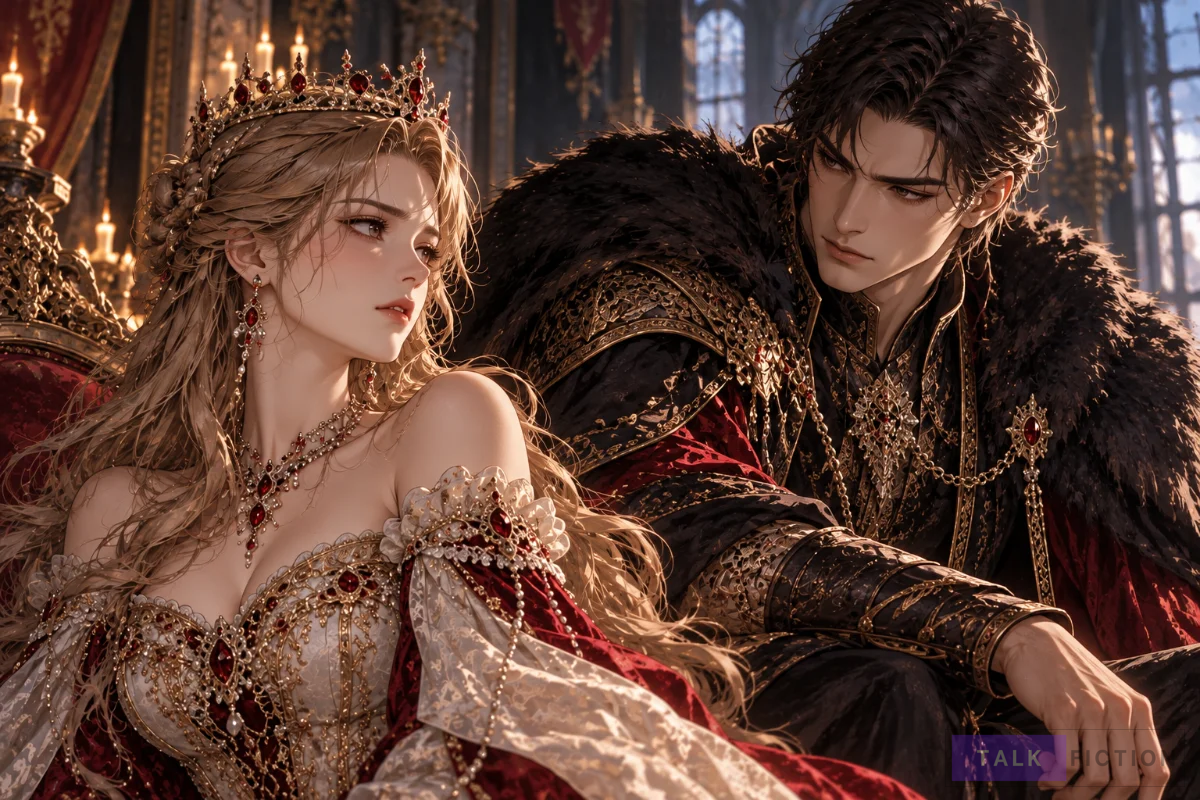
The accessible official synopsis focuses on the two central characters rather than providing a detailed cast list. The following guide therefore identifies them by their verified roles instead of assigning names or relationships that have not been confirmed.
| Character | Role in the story |
|---|---|
| The princess | The central female character, whose past relationship with the enslaved man becomes the focus of his revenge. |
| The returning king | The former slave who returns with royal power, seeking revenge against the princess and the country that enslaved him. |
| The kingdom | The political setting and target of the returning king’s revenge, representing the system responsible for his enslavement. |
The relationship between the princess and the king drives the story. Their individual choices matter, but those choices are also shaped by the unequal society in which their relationship began.
Readers interested in other fantasy stories built around complicated family relationships and emotional conflict may enjoy My In-Laws Are Obsessed With Me, another story to explore after this one.
How Does the Power Dynamic Change?

The power reversal is one of the most important elements of You Were My Slave.
At the beginning of the relationship, the princess’s social position gives her advantages that the enslaved man does not possess. His freedom and future are constrained by a system in which he has little control.
When he returns as a king, that relationship changes dramatically. He now has the authority to challenge the country that once controlled his life.
The reversal creates three important tensions:
- Political power: The former slave can now threaten the kingdom rather than remain subject to its authority.
- Personal revenge: The princess becomes the focus of his anger because he believes she is responsible for his suffering.
- Emotional vulnerability: Even when one character holds more external power, unresolved feelings and past misunderstandings can leave both emotionally exposed.
The story’s central conflict is therefore not just about who holds authority. It is about what the characters do with that authority and whether their understanding of the past can change.
Is You Were My Slave an Enemies-to-Lovers Romance?
The story is associated with enemies-to-lovers, revenge, first love, betrayal, and obsessive relationship themes in its novel catalog listing.
However, readers should not assume that these labels mean the relationship is healthy or that the characters’ conflicts are resolved easily.
The returning king’s desire for revenge and the princess’s position within the past relationship create a difficult foundation for romance. Their feelings are complicated by resentment, guilt, and the consequences of unequal power.
The story’s central romantic tension comes from the possibility that strong feelings and deep hurt can exist at the same time. Whether that tension becomes reconciliation, continued conflict, or another outcome must be judged through the actual story rather than the genre label alone.
If you enjoy darker romance with morally complicated characters, you may also want to read Fell Into the Arms of a Mad Villain. It is another option for readers drawn to intense relationships and dramatic fantasy conflicts.
You Were My Slave Ending Explained

The ending should be interpreted carefully because the accessible official publisher synopsis does not provide a complete account of the final chapters. It confirms the revenge premise and the misunderstanding behind the central conflict, but it does not independently verify every event in the conclusion.
The most important confirmed point is that the conflict begins with a misunderstanding. The returning king believes the princess caused his suffering and seeks revenge, while the story presents their relationship as one in which both characters continue to hurt one another without understanding the complete history.
This makes the resolution of that misunderstanding central to how readers interpret the story. The questions that matter are whether the truth changes the characters’ beliefs, whether they accept responsibility for the harm they have caused, and what their relationship can become after the past is confronted.
It would be misleading to claim a specific marriage, separation, forgiveness, or final political outcome without a reliable source confirming those events.
For readers who want the exact ending, the best approach is to consult the completed original novel or its official adaptation rather than rely on an unsourced summary. The thematic takeaway supported by the synopsis is that revenge, love, and misunderstanding are closely connected throughout the story.
Is You Were My Slave a Novel or a Manhwa?
It is both a Korean web novel and a manhwa adaptation. They share the same original story but have different formats and publication details.
| Detail | Original web novel | Korean manhwa |
|---|---|---|
| Original title | 나의 노예였다 | 나의 노예였다 |
| Original story author | Ruby (루비체) | Ruby (루비체) |
| Comic creator | Not applicable | 스르륵코믹스 |
| Format | Serialized Korean web novel | Digital comic |
| Publication information | Novel Updates lists 107 chapters, including side stories | RIDI lists 62 episodes |
| Status | Listed as completed | RIDI marks the comic as completed |
| Official source | Novel Updates catalog | Official RIDI listing |
Chapter counts and episode counts refer to different formats. The novel’s 107 chapters should not be confused with the comic’s 62 listed episodes.
Is You Were My Slave Completed?
Novel Updates lists the original Korean web novel as completed with 107 chapters: 102 main-story chapters and five side stories.
The official RIDI comic listing also marks the manhwa as completed and lists 62 episodes. These details refer to the Korean publications; they do not automatically establish the availability of a licensed English edition.
If you are following the comic, check the official RIDI listing for the latest publication information. If you are researching the original novel, use the Novel Updates entry for bibliographic details and chapter-status context.
Where Can You Read You Were My Slave?
The official Korean manhwa listing is available on RIDI — 나의 노예였다. It identifies the comic’s creators, original story author, episode information, and publication details.
For information about the original Korean novel, including its author, original title, and reported completion status, consult Novel Updates — You Were My S*ave.
Novel Updates is a reference catalog, not the official publisher. Its listing indicates that there is no English publisher recorded, so readers should not assume that a complete official English edition is available.
Before using a third-party reading site, check whether it has permission to publish the work. A site claiming to offer a complete translation is not, by itself, evidence of official licensing.
Themes and Content Warnings
You Were My Slave deals with emotionally intense themes that readers should consider before starting.
- Enslavement and unequal power: The central relationship begins within a system that denies one character freedom.
- Revenge and betrayal: The returning king seeks to punish those he believes responsible for his suffering.
- Misunderstanding: Incomplete or incorrect beliefs about the past shape the conflict.
- Guilt and emotional wounds: Both characters are caught in a relationship shaped by painful history.
- Mature relationship themes: Novel Updates lists mature content and abuse-related tags, so readers should check the source’s content information before reading.
The presence of romance does not make coercion or abuse harmless. Readers who prefer lighthearted romantic stories may find the premise emotionally difficult.
Common Mistakes When Looking Up You Were My Slave
- Confusing the novel with the manhwa: The original novel and the comic have different chapter and episode counts.
- Assuming the returning king’s motives are fully justified: His desire for revenge is part of the premise, but the misunderstanding complicates the conflict.
- Treating a genre label as a relationship guarantee: An enemies-to-lovers tag does not confirm that every conflict is resolved in a healthy way.
- Assuming the English edition is official: Check publisher information rather than relying on a third-party site’s claims.
- Repeating unverified ending details: A reliable spoiler guide should distinguish confirmed plot points from speculation.
Frequently Asked Questions
What is You Were My Slave about?
It is a Korean romance-fantasy story about a princess whose former slave, believed to be dead, returns as a king to seek revenge against her and the kingdom that enslaved him.
Who wrote You Were My Slave?
Ruby, whose Korean name is 루비체, is listed as the original novel author.
What is the original Korean title?
The original Korean title is 나의 노예였다.
Is You Were My Slave completed?
Novel Updates lists the original Korean novel as completed with 107 chapters, including five side stories. RIDI also marks the Korean manhwa as completed.
How many chapters does the novel have?
Novel Updates lists 102 main-story chapters and five side stories, for a total of 107 chapters.
How many episodes does the manhwa have?
The official RIDI listing shows 62 episodes.
Why does the former slave return as a king?
The story’s synopsis says he returns to destroy the country that enslaved him and seek revenge on the princess he believes caused his death.
What causes the conflict between the princess and the king?
Their conflict is rooted in their past relationship, the power imbalance between them, and a misunderstanding that neither fully recognizes at first.
Is You Were My Slave an enemies-to-lovers story?
It is tagged with enemies-to-lovers themes in the novel catalog, alongside revenge, betrayal, and obsessive love.
Does You Were My Slave have a manhwa adaptation?
Yes. The Korean manhwa is published on RIDI under the original title 나의 노예였다.
Where can I read You Were My Slave officially?
The official Korean manhwa listing is available on RIDI. Novel Updates provides bibliographic information about the original web novel.
Is an official English translation available?
Novel Updates does not list an English publisher. Check current official publisher information before assuming that an English translation is licensed.
Does the story contain mature themes?
Yes. The novel catalog includes mature and abuse-related content tags. Readers should review the content information before starting.
Is the ending happy or tragic?
The available publisher synopsis does not confirm the exact final outcome, so it would be inaccurate to label the ending definitively happy or tragic without verifying the final chapters.
What makes You Were My Slave different from a typical romance?
Its premise combines a former slave’s return as a king, a revenge campaign against a kingdom, a complicated relationship with a princess, and a misunderstanding that shapes both characters’ actions.
Final Thoughts
You Were My Slave combines royal fantasy, revenge, and a complicated romantic relationship shaped by unequal power and misunderstanding. The former slave’s return as a king changes the political balance, but it does not erase the history between him and the princess.
The most important element of the story is the connection between revenge and misunderstanding. Both characters act within the limits of what they believe happened, making the truth behind their conflict central to the narrative.
For official Korean comic information, start with RIDI. For the original novel’s bibliographic details, consult Novel Updates.
If you enjoy emotionally intense fantasy stories with complicated relationships, you can also explore more romance fantasy novels or read our complete guide to I Married the Monster Twice for another second-chance romance recommendation.

Other Articles





[…] Saw the Future with the Killer Grand Duke combines several popular fantasy-romance themes, but its central conflict comes from identity rather than a simple prediction of future […]