




The Heavenly Demon Can’t Live a Normal Life Chapter 175, titled “For A Certain End (1),” moves the story from the aftermath of Roman Dmitry’s Ranking Match into the beginning of a major war in Cairo. Count Nicholas survives his confrontation with Roman, while Roman prepares the royal faction for an attack against Marquis Benedict and the nobles supporting him.
Rather than focusing only on combat, Chapter 175 develops the political and military situation surrounding the civil war and shows why Roman Dmitry has become such an important figure in the conflict.
The Heavenly Demon Can’t Live a Normal Life Chapter 175 Recap

Chapter 175 opens with Count Nicholas waking up in an infirmary. He is badly injured after his confrontation with Roman Dmitry, but he quickly realizes that Roman deliberately spared his life.
Nicholas understands that his injuries are serious but not fatal. This changes how he views Roman. Although they fought each other, Roman did not intend to kill him and had already made his position regarding Cairo clear.
For Nicholas, understanding the situation of the royal family becomes more important than resting.
Count Nicholas Learns What Happened
Simon explains the developments that occurred while Nicholas was unconscious.
The conflict between the royal faction and the nobles has escalated, and Roman Dmitry has taken a central role in the royal side’s strategy. Roman has also secured important support, strengthening the position of King Daniel Cairo.
Nicholas realizes that Roman could have pursued greater personal power but instead chose to cooperate with the royal faction.
Despite being unable to fight because of his injuries, Nicholas decides that he still has a responsibility to contribute. He asks Simon to take him to the military meetings so he can help with the coming war.
This moment also highlights Nicholas’s growing respect for Roman Dmitry.
Roman Dmitry Prepares for War
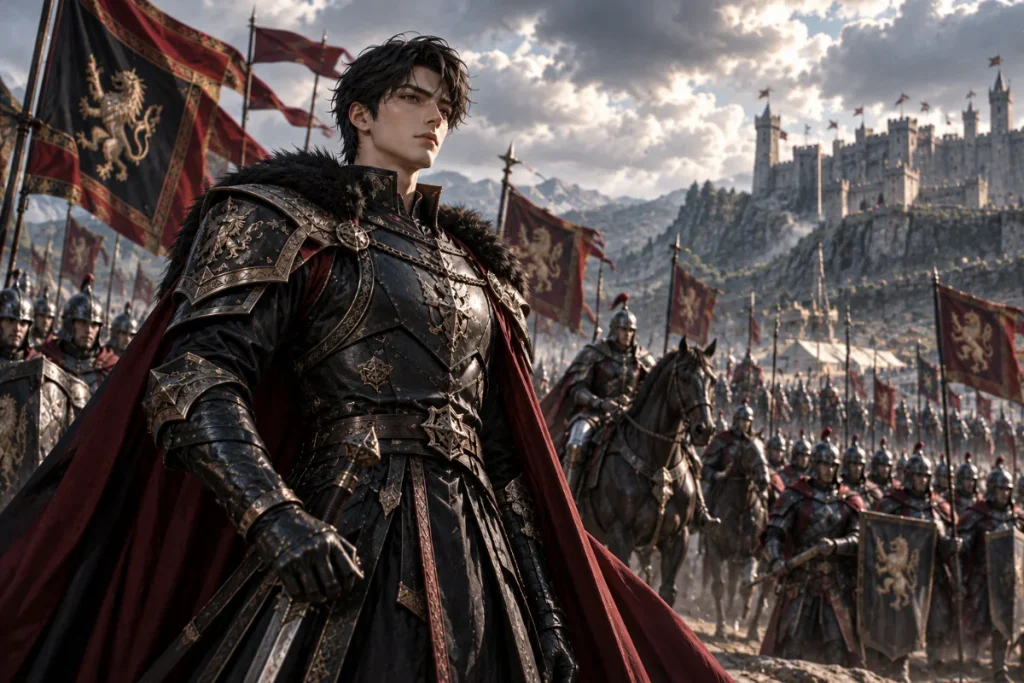
The focus then shifts to Roman.
The time for political maneuvering is coming to an end. Roman prepares for the royal faction’s military campaign against the nobles led by Marquis Benedict.
He appears at the military gathering fully armed and wearing armor associated with the royal family.
Roman understands that the coming conflict could determine the future of Cairo. His objective is not simply to defeat an opposing army but to bring the ongoing political chaos to an end.
He takes responsibility for leading the troops and makes it clear that he intends to remain at the front of the battle.
The Nobles Gather at Benedict Castle
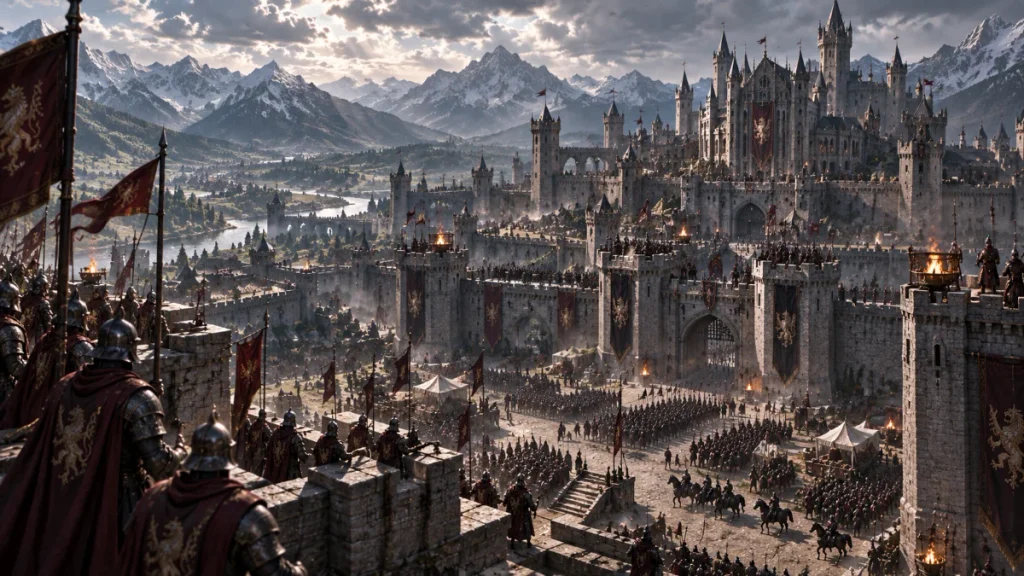
Meanwhile, the nobles’ faction prepares for Roman’s arrival.
Benedict Castle provides them with a powerful defensive position. The nobles believe that their fortified location can help them survive a prolonged conflict.
Their strategy is based largely on buying time.
The nobles consider seeking assistance from other powerful factions, including forces connected to Kronos and Valhalla. They believe that additional support could change the balance of the war if they can delay Roman’s advance long enough.
However, Roman’s growing influence has already weakened their position.
Why Marquis Benedict Is Under Pressure
The nobles have suffered several political setbacks.
The support of important figures for the royal faction means Benedict cannot rely on the same level of influence he expected earlier. Roman’s victories and growing reputation have also made him a serious threat.
The nobles therefore need time to reorganize their forces and potentially gain outside support.
Their biggest problem is that Roman Dmitry is not giving them that opportunity.
Roman Chooses Speed Over a Long Siege
After arriving near Benedict Castle, Simon recognizes that the fortress is heavily defended.
Under normal circumstances, a commander might establish a camp and prepare for a prolonged siege.
Roman chooses a different approach.
He believes that speed is critical. Giving Benedict’s faction more time would allow them to gather allies, strengthen their defenses, and develop additional strategies.
Roman therefore orders his forces to prepare for an immediate assault rather than settling into a slow siege.
This decision captures one of the most important aspects of Roman’s leadership in this part of the story: he understands that controlling the timing of a war can be just as important as winning individual battles.
Felix Enters the Battlefield
Roman then calls upon Felix, a powerful mage associated with the Phoenix Magic Tower.
Rather than relying solely on conventional military strength, Roman intends to use Felix’s abilities as part of the attack against the fortified position.
The appearance of Felix signals that Roman has prepared more than a straightforward military assault.
The defenders may believe that Benedict Castle gives them enough time to survive, but Roman is already looking for a way to undermine that advantage.
Roman Dmitry’s Leadership in Chapter 175
One of the strongest elements of The Heavenly Demon Can’t Live a Normal Life Chapter 175 is Roman’s development as a commander.
His strength has never been in question. However, Chapter 175 shows that his greatest advantage is not simply his swordsmanship.
Roman understands:
- When to attack
- When to show mercy
- How political alliances affect the battlefield
- Why speed matters in war
- How to use powerful allies effectively
- How giving an enemy time can create unnecessary problems
His approach makes the coming battle feel less like a simple clash between two armies and more like a carefully calculated campaign.
What Happens to Count Nicholas?
Count Nicholas survives his battle with Roman Dmitry and begins recovering from his injuries.
More importantly, he gains a deeper understanding of Roman’s intentions.
Nicholas recognizes that Roman had the ability to pursue personal glory but instead chose to support the royal family. His decision to continue working despite his injuries also demonstrates how seriously he views the coming conflict.
His presence adds another layer to the developing relationship between Roman and the royal faction.
Why Chapter 175 Is Important
The Heavenly Demon Can’t Live a Normal Life Chapter 175 is an important transition chapter because the story moves decisively toward open warfare.
The previous political struggles have created the conditions for a much larger confrontation. Now Roman Dmitry and the royal faction are physically moving against Marquis Benedict’s forces.
Several developments make this chapter especially significant:
1. Count Nicholas Survives
Nicholas’s survival confirms that Roman’s victory over him was not intended to be an execution. Their confrontation therefore has consequences beyond the Ranking Match itself.
2. Roman Takes Command
Roman is no longer simply participating in the political conflict. He is taking responsibility for leading the royal faction’s military campaign.
3. Benedict Castle Becomes the Next Major Battlefield
The nobles have concentrated their strength at Benedict Castle, creating a natural setting for the next stage of the conflict.
4. The Nobles Need More Time
Benedict’s faction understands that additional allies could change the situation. Roman, however, recognizes this and wants to prevent them from gaining that opportunity.
5. The War Enters a New Phase
The political conflict has reached the battlefield. Chapter 175 establishes the conditions for the larger confrontation that follows.
The Heavenly Demon Can’t Live a Normal Life Chapter 175 Spoilers
For readers looking for the major spoilers, the key events are:
- Count Nicholas wakes up after his battle with Roman Dmitry.
- Nicholas realizes Roman deliberately spared him.
- Simon explains the latest developments involving the royal and noble factions.
- Nicholas decides to assist with the military effort despite his injuries.
- Roman prepares to lead the royal faction’s army.
- The nobles gather at Benedict Castle.
- Benedict’s faction considers seeking outside support.
- Roman’s forces eventually arrive at the castle.
- Roman rejects the idea of simply waiting for a prolonged battle.
- He prioritizes speed and orders preparations for an assault.
- Felix is called upon to assist Roman’s strategy.
These developments set up the next stage of the conflict between Roman Dmitry and Marquis Benedict’s faction.
Frequently Asked Questions
What happens in The Heavenly Demon Can’t Live a Normal Life Chapter 175?
Chapter 175 follows Count Nicholas’s recovery after his battle with Roman Dmitry and the royal faction’s preparations for war. Roman leads his forces toward Benedict Castle, where Marquis Benedict’s faction has established a strong defensive position.
Is Count Nicholas alive in Chapter 175?
Yes. Count Nicholas survives his confrontation with Roman Dmitry and wakes up in an infirmary. Although seriously injured, he remains focused on the developing conflict.
What is Roman Dmitry doing in Chapter 175?
Roman Dmitry is preparing to lead the royal faction’s army against Marquis Benedict’s forces. After reaching Benedict Castle, he decides that moving quickly is more important than allowing the enemy time to strengthen its position.
What happens at Benedict Castle?
Benedict Castle is heavily fortified, and the nobles intend to use its defenses while buying time to gather additional support. Roman, however, wants to prevent the enemy from benefiting from a prolonged preparation period.
Why is Chapter 175 important?
Chapter 175 marks a major shift from political maneuvering toward open military conflict. It establishes Roman Dmitry as the central commander of the royal faction’s campaign and sets up the confrontation around Benedict Castle.
Does Chapter 175 have major action?
The chapter is more focused on strategic preparation and the movement toward war than on completing a major battle. Its importance comes from establishing the military situation and Roman’s strategy for the confrontation ahead.
Final Thoughts

The Heavenly Demon Can’t Live a Normal Life Chapter 175 is a turning point in the Cairo conflict. Count Nicholas’s survival, Roman Dmitry’s growing authority, and the concentration of the nobles at Benedict Castle all push the story toward a much larger confrontation.
Roman’s decision to prioritize speed is particularly important. Benedict’s faction needs time to strengthen its position and seek outside support, while Roman understands that allowing that preparation could make the war considerably more difficult.
With Roman Dmitry leading the royal army and Benedict Castle standing as the nobles’ stronghold, the stage is set for the next major development in the story.