


Magical Exposure Girl is a mature fantasy webtoon also known as Saving My Magical Girl. The story follows Nari Yu, a 28-year-old former magical girl who saved the world but never received the peaceful ending she expected.
After a devastating final battle, Nari is physically split into two separate bodies. One remains Nari, while the other becomes Lina Yu, a version of herself with the same memories but a very different personality.
Now Nari has to figure out how to become whole again while dealing with the consequences of her unusual situation.
The series combines magical-girl fantasy, comedy, drama, romance, and mature relationship themes, making it very different from the typical cheerful magical-girl story. The official Toomics listing provides the current character and story information for the series.
What Is Magical Exposure Girl About?
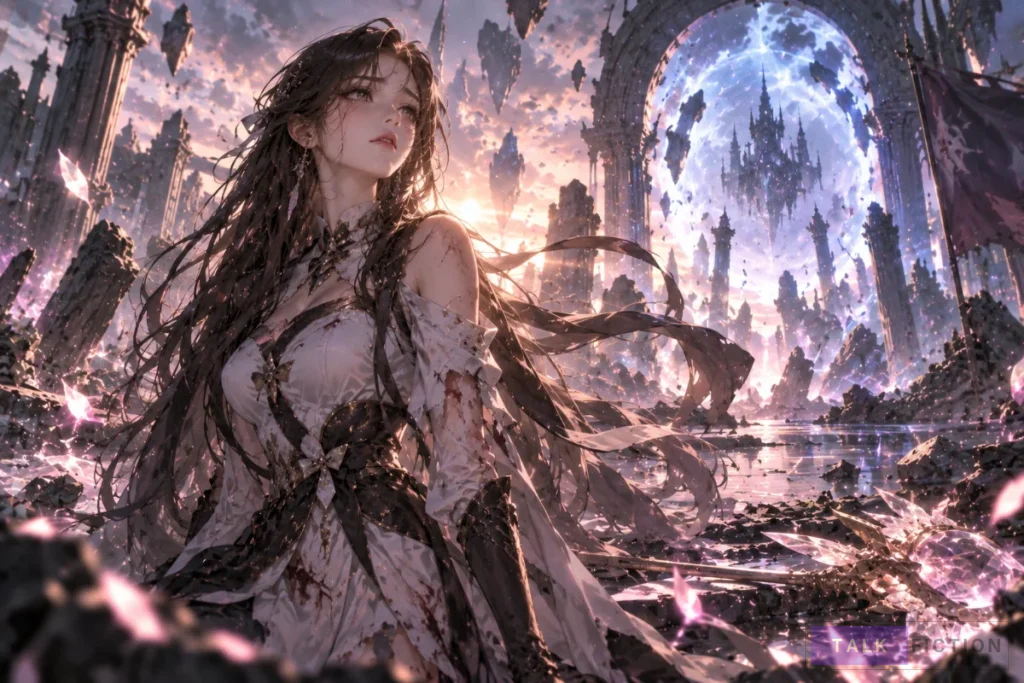
At its core, Magical Exposure Girl, also known as Saving My Magical Girl, follows Nari Yu after she has already completed her life as a magical girl.
Nari once fought monsters created from distorted human desires and helped protect the world. Magical girls are expected to remain mysterious, protect people from the shadows, and disappear once their work is done.
But Nari’s ending doesn’t go according to plan.
During her final battle, she defeats the last monster but suffers an extraordinary consequence: her body is physically divided into two people.
One half remains Nari.
The other becomes Lina.
Both women share Nari’s memories and past, but their personalities are dramatically different.
This creates the central problem of the story:
How can Nari and Lina become one person again?
Who Is Nari Yu?
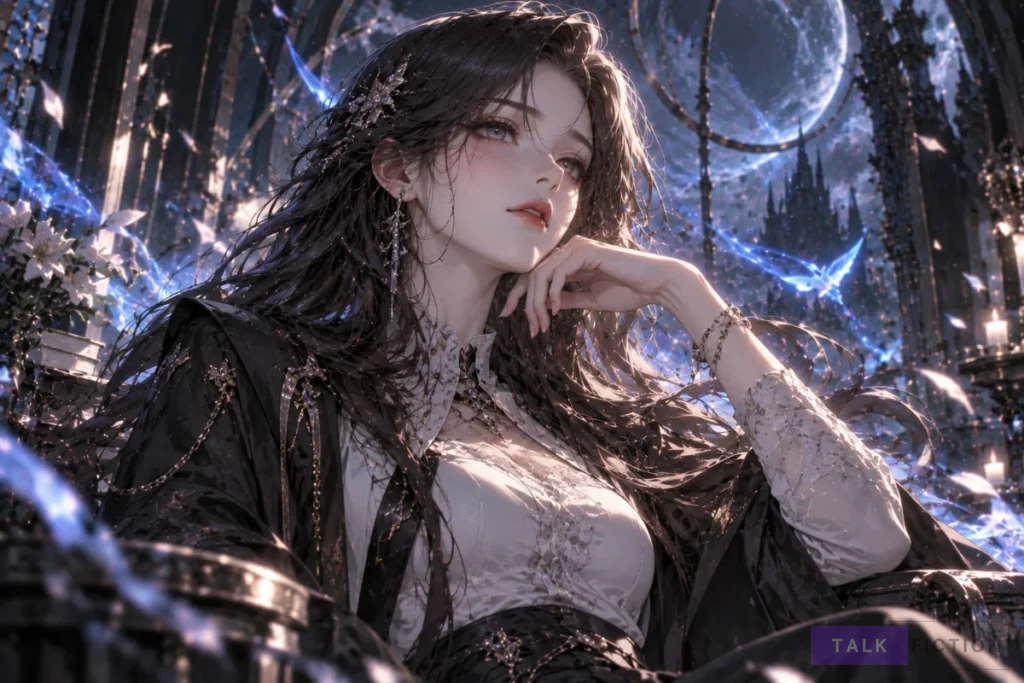
Nari Yu is the main character of Magical Exposure Girl.
She is 28 years old and a former magical girl who has already saved the world. Unlike a typical magical-girl protagonist who is just discovering her powers, Nari’s heroic journey has essentially already happened.
Now she has to deal with the consequences.
Nari’s character is important because the story begins after her major heroic journey rather than during her transformation into a magical girl.
Her problem isn’t simply defeating another monster.
It’s figuring out what was lost when she was split apart.
Who Is Lina Yu?
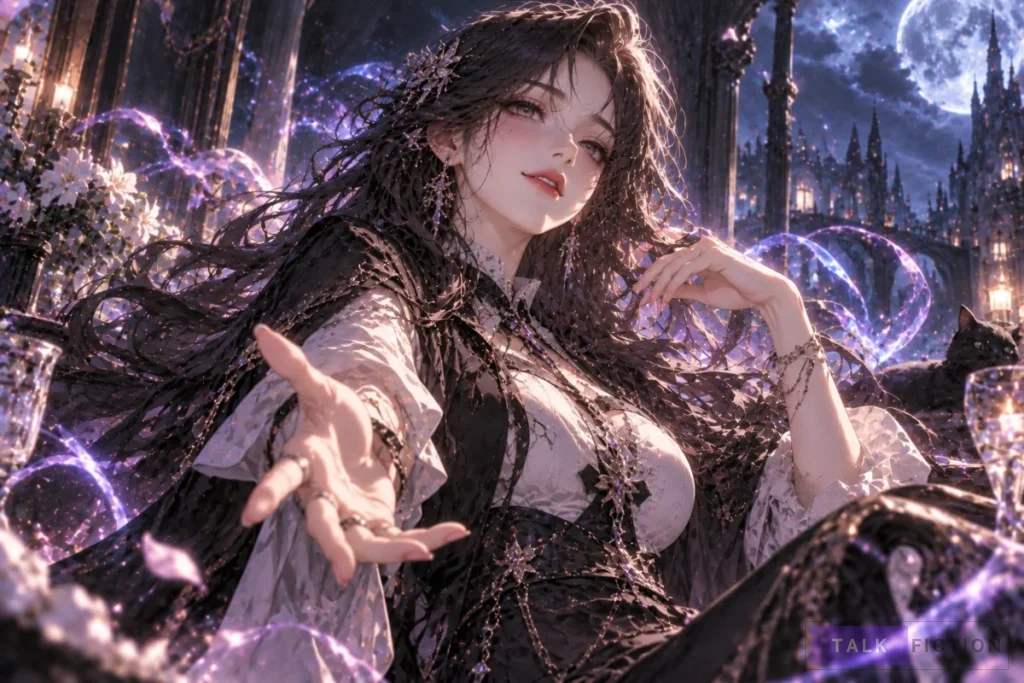
Lina Yu is the other half of Nari.
She has the same face and memories as Nari, but her personality is very different.
While Nari is colder and more emotionally restrained, Lina is driven much more strongly by instinct and desire.
This creates one of the most interesting aspects of the story.
Lina isn’t simply a clone of Nari.
She represents another side of the same person.
Both women remember the same experiences, battles, and relationships, but they react to them differently.
The result is a story that explores identity through an unusual supernatural premise:
What happens when different parts of one person become separate individuals?
Why Was Nari Split Into Two Bodies?
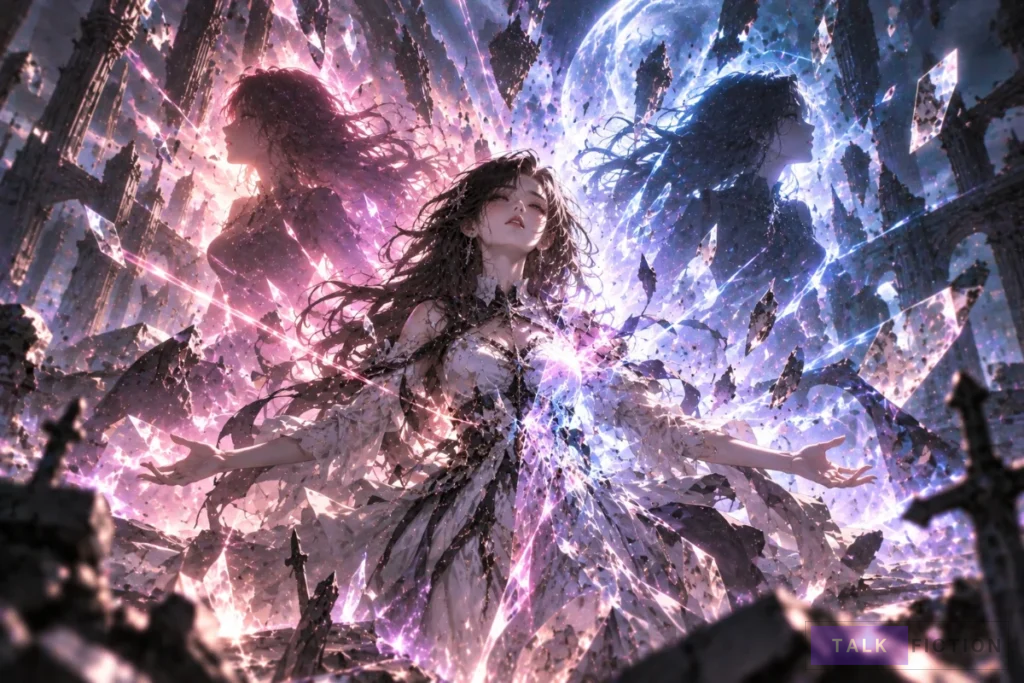
Nari’s division happens after the final battle with the last monster.
She successfully wins the battle, but the monster uses everything it has left to attack her.
The result is not simply emotional or metaphorical.
Nari is physically divided into two bodies.
Both versions retain the same past and memories, but their personalities begin to diverge.
The story therefore turns a traditional magical-girl victory into something much more complicated.
Nari wins.
But victory comes with a price.
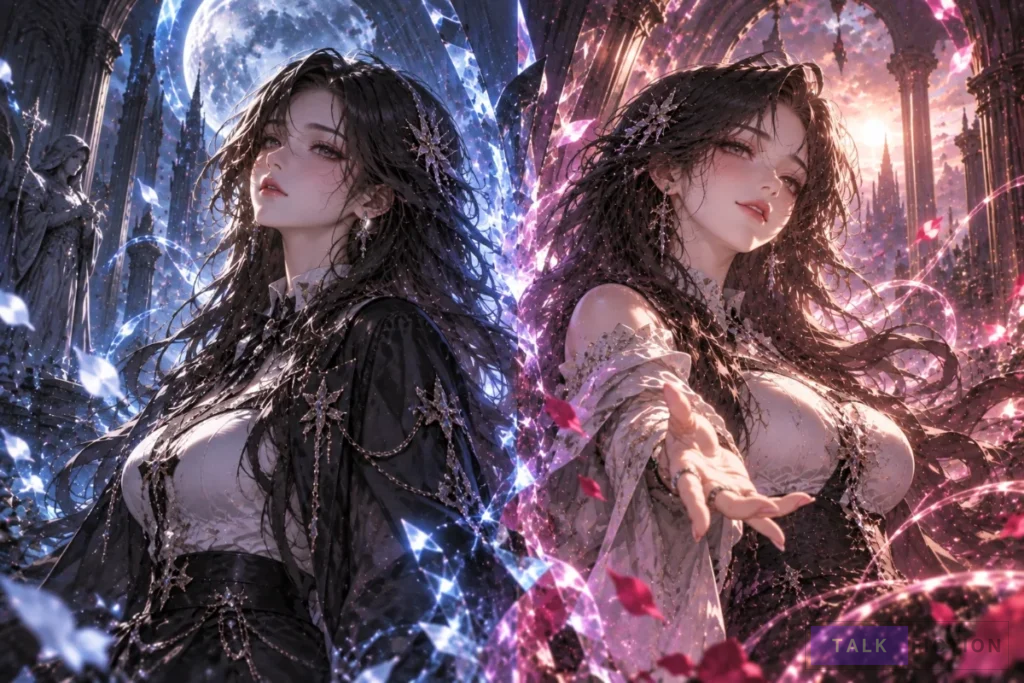
Nari vs. Lina: What’s the Difference?
| Nari Yu | Lina Yu |
|---|---|
| Former magical girl | Other half of Nari |
| 28 years old | 28 years old |
| Same memories as Lina | Same memories as Nari |
| More emotionally restrained | More instinctive |
| Colder and distant | More expressive |
| Wants to restore normality | Acts more freely |
| Represents one side of Nari | Represents another side of her personality |
Their relationship is one of the main reasons the premise is so unusual.
They aren’t simply two unrelated characters.
They are two versions of the same person.
Who Is Namju Yun?
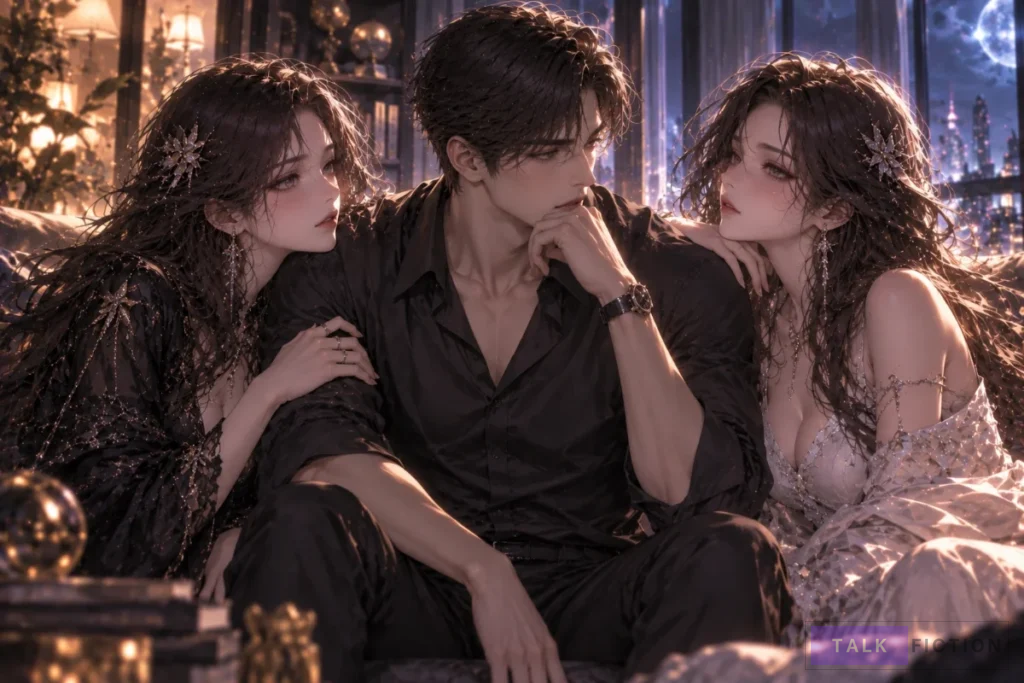
Namju Yun is another major character in the story.
He is 26 years old and works as a freelancer. More importantly, he already has a personal connection with Nari and finds himself caught between the two versions of her.
The official story information identifies Namju as a character connected to Nari and the unusual situation created by her division.
This creates a complicated relationship dynamic.
From Namju’s perspective, the woman he knows is suddenly represented by two people who look alike and share the same memories—but behave very differently.
He has to navigate the situation while trying to understand what happened to Nari.
Who Is Kitty?
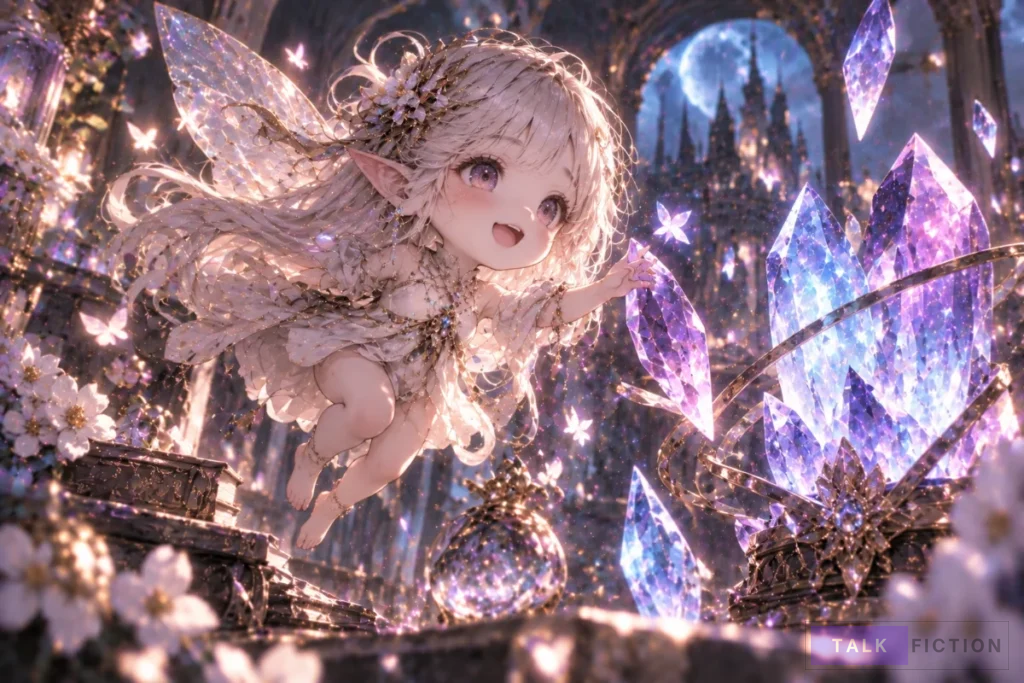
Kitty is the fairy mascot connected to the story.
Kitty becomes important to the solution to Nari’s problem and helps explain how the two halves of Nari might eventually be reunited.
Rather than being just a traditional magical-girl companion, Kitty becomes part of the supernatural mechanics surrounding Nari’s divided existence.
How Can Nari Become Whole Again?
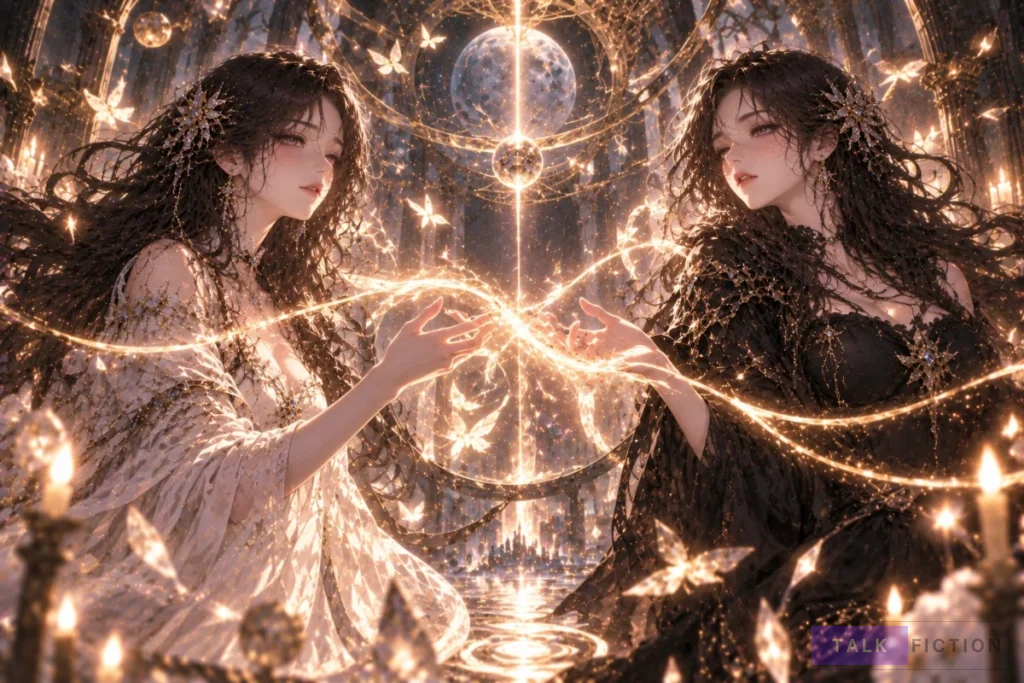
The story introduces a supernatural method for potentially restoring Nari.
The solution involves desire energy, which becomes connected to the relationships and interactions surrounding Nari and Lina.
This creates an unusual conflict because the solution itself introduces new complications.
Nari’s problem is supernatural.
But solving it becomes increasingly connected to her relationships with the people around her.
Is Magical Exposure Girl a Typical Magical-Girl Story?
Not really.
Traditional magical-girl stories usually focus on a young heroine discovering magical powers, transforming into a hero, fighting supernatural enemies, and protecting the world.
Magical Exposure Girl starts after that journey.
Nari is already a former magical girl.
She has already fought monsters.
She has already saved the world.
The story instead asks what happens after the hero wins.
That makes it closer to a post-hero fantasy story than a traditional magical-girl origin story.
If you enjoy fantasy stories that subvert familiar genre conventions, Beware the Villainess is another TalkFiction story worth exploring. It similarly turns familiar fantasy-romance conventions into something more unconventional.
What Genres Does Magical Exposure Girl Have?
The series combines several different genres.
Fantasy
Magic, magical girls, supernatural monsters, and magical energy form the foundation of the story.
Comedy
The unusual situation involving two versions of Nari creates opportunities for awkward and humorous situations.
Drama
Nari’s divided existence creates emotional consequences for everyone involved.
Romance
The relationships between Nari, Lina, and the people around them are an important part of the narrative.
Mature Fantasy
The series contains mature relationship themes and is aimed at an adult audience rather than being a conventional family-friendly magical-girl story.
What Makes Magical Exposure Girl Different?
The biggest difference is its approach to identity.
Nari and Lina are technically two people, but they share the same past.
They remember the same experiences.
They remember the same relationships.
They remember the same battles.
Yet they aren’t emotionally identical.
This raises an interesting question:
If one person is divided into two bodies, which one is the original?
And perhaps more importantly:
Do both halves deserve to become independent people?
Those questions give the series more depth than a simple supernatural comedy.
The Role of Desire Energy
Desire energy is one of the unusual concepts introduced by the story.
The proposed solution to Nari’s condition makes attraction and interpersonal relationships relevant to her recovery.
That creates an unusual reversal.
In a traditional magical-girl story, the heroine gains power by fighting evil.
Here, the characters need a different kind of energy to repair the damage caused by the final battle.
This is where the story’s fantasy premise and mature relationship elements begin to overlap.
Nari’s Relationship With Namju
Namju already has a relationship with Nari before her body is divided.
After the split, however, his situation becomes much more complicated.
He is suddenly dealing with two women who share the same memories but express themselves differently.
Nari is more restrained.
Lina is more instinctive and emotionally direct.
Namju therefore has to deal with a situation where his connection to Nari is complicated by the existence of Lina.
Is Magical Exposure Girl the Same as Saving My Magical Girl?
Yes.
The series is associated with the English title Saving My Magical Girl, while Magical Exposure Girl is another title used for the same work.
The Korean title is 마법노출소녀.
Because different databases and readers can use different English translations, searching for all three names can make it easier to find the correct series.
The official Toomics listing currently presents the series under the title Saving My Magical Girl.
Who Created Magical Exposure Girl?
The official Toomics listing is the best source for the current publication and creator information for the English-listed series. Because third-party sites can provide conflicting creator credits, it is better to rely on the publisher/platform information when discussing authorship.
Where Can You Read Magical Exposure Girl?

Readers looking for Magical Exposure Girl / Saving My Magical Girl should prioritize official platforms.
The series is currently listed by Toomics under the title Saving My Magical Girl.
Read Saving My Magical Girl on Toomics
Using an official platform is preferable to unofficial scan sites because it supports the creators and provides the publisher’s current version of the series.
Is Magical Exposure Girl Worth Reading?
If you enjoy unusual fantasy premises, Magical Exposure Girl has a particularly distinctive setup.
You may enjoy it if you like:
- Magical-girl fantasy
- Supernatural stories
- Adult protagonists
- Identity-based plots
- Comedy mixed with drama
- Romance
- Complicated relationship dynamics
- Mature fantasy
- Characters with divided identities
- Stories that subvert traditional genre formulas
The strongest reason to try it is probably the premise itself.
A former magical girl saves the world—and then discovers that winning the final battle has physically split her into two people.
That’s a difficult setup to find in more conventional magical-girl stories.
Similar Fantasy and Romance Stories on TalkFiction
If you enjoy Magical Exposure Girl because of its unusual fantasy-romance setup, several other TalkFiction stories may also interest you.
Beware the Villainess
Beware the Villainess offers a humorous fantasy-romance story with a strong female protagonist and a fresh take on familiar villainess tropes.
Fated to Be Loved by Villains
For readers who prefer darker fantasy romance and morally complicated relationships, Fated to Be Loved by Villains explores destiny, survival, emotional manipulation, and relationships with dangerous characters.
I Saw the Future with the Killer Grand Duke
If you prefer psychological tension and dangerous romance, I Saw the Future with the Killer Grand Duke is another relevant TalkFiction read.
Frequently Asked Questions
What is Magical Exposure Girl?
Magical Exposure Girl is a mature fantasy webtoon about Nari Yu, a former magical girl whose existence is divided into two bodies after a major battle.
What is the English title of Magical Exposure Girl?
The series is also known as Saving My Magical Girl. The Korean title is 마법노출소녀.
Who is the main character?
The main character is Nari Yu, a former magical girl.
Who is Lina Yu?
Lina Yu is the other half of Nari. She shares Nari’s memories but has a noticeably different personality.
Why are there two versions of Nari?
Nari is physically divided into two bodies following a major supernatural battle.
Who is Namju Yun?
Namju Yun is a major character who becomes involved in Nari’s unusual situation.
Who is Kitty?
Kitty is the fairy mascot associated with Nari and the supernatural solution to her divided state.
How can Nari become whole again?
The story introduces desire energy as part of the potential solution for reuniting Nari’s divided existence.
Is Magical Exposure Girl a romance?
Romance is an important component of the story alongside fantasy, comedy, drama, and supernatural elements.
Is Magical Exposure Girl a traditional magical-girl story?
Not exactly. Nari is already a former magical girl when the main conflict begins, so the story focuses on the consequences of her supernatural past.
Where can I read Saving My Magical Girl?
The series is currently listed on Toomics under the title Saving My Magical Girl.
Is Magical Exposure Girl suitable for all ages?
No. The story contains mature relationship themes and is intended for an adult audience.
Final Thoughts
Magical Exposure Girl takes the familiar magical-girl concept and moves it into a very different direction.
Nari Yu has already done what most magical-girl protagonists spend an entire story trying to accomplish: she fought the monsters and saved the world.
But her victory comes with an unexpected price.
She is split into two bodies.
One becomes Nari.
The other becomes Lina.
They share the same memories but develop different personalities, forcing everyone around them to deal with a situation that has no simple solution.
The story’s combination of fantasy, identity, comedy, romance, supernatural conflict, and mature relationship themes makes it stand apart from conventional magical-girl stories.
For readers interested in the series, Saving My Magical Girl is the key alternate title to remember, and the official Toomics series page is the best starting point for current information.