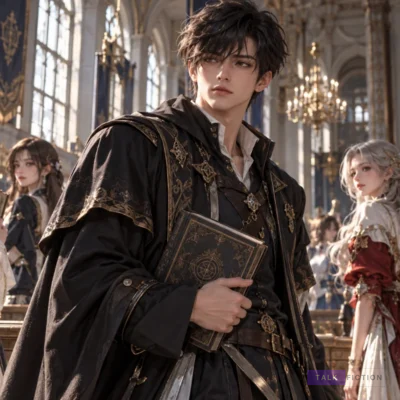


Lord of Mysteries is a highly acclaimed Chinese web novel that blends steampunk aesthetics, cosmic horror, mystery, and psychological fantasy into a deeply layered narrative. Written by Cuttlefish That Loves Diving, the novel is known for its slow-burn storytelling, intricate world-building, and philosophical depth. Rather than relying solely on action, the story gradually immerses readers in a dangerous world where knowledge itself can be fatal.
Story Overview of Lord of the Mysteries
The story follows Klein Moretti, an ordinary man who mysteriously transmigrates into a Victorian-era–inspired world filled with secret organizations, occult rituals, and supernatural beings. Early in the narrative, Klein becomes entangled with hidden forces after performing a forbidden ritual that connects him to ancient powers beyond human understanding. To survive, he adopts a secret identity and begins navigating a world where every step forward risks madness or death.
As Klein progresses, he learns about the existence of Beyonders, individuals who gain supernatural abilities by consuming mystical potions. Each power comes at a cost, slowly eroding sanity if not carefully controlled. Klein’s journey evolves from simple survival into a complex struggle involving gods, secret histories, and the manipulation of fate itself. The story steadily escalates from personal mystery to cosmic-scale conflict without losing its grounded, investigative tone.
A World Built on Secrets and Knowledge
One of the most distinctive elements of Lord of the Mysteries is its world-building, which is structured around secrecy and forbidden knowledge. Information is treated as both power and danger, with characters often paying a heavy price for learning truths they are not prepared to bear. Ancient civilizations, forgotten gods, and hidden historical cycles shape the present world, creating a sense that reality itself is fragile and layered.
The setting draws heavily from Victorian-era themes such as industrial progress, social hierarchy, and religious authority, while merging them with Lovecraftian cosmic horror. This combination creates a world that feels realistic yet deeply unsettling, where progress and enlightenment coexist with incomprehensible terror.
Core Themes Explored in the Novel
A central theme of Lord of the Mysteries is the cost of power. Every advancement Klein makes requires sacrifice, whether through emotional loss, moral compromise, or mental strain. The novel repeatedly questions whether power is worth the price it demands, especially when it distances individuals from their humanity.
Another major theme is identity. Klein constantly adopts new personas to survive, blurring the line between who he truly is and who he pretends to be. This exploration of fragmented identity reflects the psychological toll of living in a world where exposure can mean annihilation. Fate versus free will also plays a crucial role, as characters struggle to act independently within systems seemingly controlled by ancient beings and predetermined paths.
Key Highlights and Memorable Elements
One of the novel’s most praised highlights is its potion pathway system, which provides a structured yet dangerous method of progression. Unlike traditional power systems, advancement is not purely beneficial and often introduces new vulnerabilities. This creates constant tension and reinforces the novel’s darker tone.
The gradual revelation of the true nature of gods and cosmic entities stands out as another defining aspect. Rather than presenting divinity as benevolent or heroic, the story portrays gods as distant, terrifying forces with motives beyond human comprehension. This perspective reshapes traditional fantasy expectations and strengthens the novel’s horror elements.
Character development is also a major strength. Klein’s transformation from a cautious, confused outsider into a composed and calculating figure is subtle and believable. Supporting characters are equally layered, each shaped by their beliefs, fears, and personal limits.
Why Lord of the Mysteries Stands Out in Fantasy Fiction
What sets Lord of the Mysteries apart is its patience and depth. The novel does not rush its revelations or rely on constant action to maintain interest. Instead, it builds tension through atmosphere, psychological conflict, and gradual discovery. Readers are rewarded for paying attention, as small details often carry significant meaning later in the story.
The combination of mystery, horror, philosophy, and fantasy creates a unique reading experience that appeals to those who enjoy complex narratives and morally ambiguous worlds. It is a story that challenges readers to think critically about power, truth, and the limits of human understanding.
Conclusion
In conclusion, Lord of the Mysteries is far more than a conventional fantasy novel. Through its intricate plot, haunting themes, and richly constructed world, it explores the dangers of forbidden knowledge, the cost of power, and the fragility of identity. Klein Moretti’s journey reflects a constant struggle between survival and self-preservation in a universe that offers no easy answers. This depth and complexity are what make Lord of the Mysteries a standout work that continues to leave a lasting impression on readers long after the final chapter.
Frequently Asked Questions About Lord of the Mysteries
What is Lord of the Mysteriesabout?
Lord of the Mysteries is a dark fantasy web novel that follows the journey of Klein Moretti, a man who transmigrates into a Victorian-inspired world filled with occult rituals, secret organizations, and supernatural powers. The story centers on mystery, psychological tension, and cosmic horror, where gaining knowledge and power comes at the cost of sanity. Rather than focusing purely on action, the novel emphasizes investigation, gradual revelation, and the consequences of uncovering forbidden truths.
What makes Lord of the Mysteriesdifferent from other fantasy novels?
What sets Lord of the Mysteries apart is its unique blend of steampunk aesthetics, Lovecraftian cosmic horror, and structured power progression. Unlike traditional fantasy stories where power is mostly beneficial, this novel treats power as dangerous and unstable. Advancing in strength requires consuming mystical potions that can lead to madness or death if mishandled. The slow-burn storytelling, layered mysteries, and emphasis on psychological struggle make it stand out from more straightforward fantasy narratives.
Who is the main character, and how does he develop?
The main character, Klein Moretti, begins as an ordinary and cautious individual struggling to survive in an unfamiliar world. Over time, he develops into a highly intelligent, composed, and strategic figure who understands the dangers of power and knowledge. His growth is gradual and realistic, shaped by loss, fear, responsibility, and constant exposure to supernatural threats. Rather than becoming fearless, Klein becomes more aware of his limitations, which adds depth to his character development.
What are Beyonders and potion pathways?
Beyonders are individuals who gain supernatural abilities by consuming special potions tied to specific pathways. Each pathway represents a different type of power and evolution, but progression is extremely dangerous. Advancing too quickly or without proper mental preparation can result in loss of control or insanity. This system creates constant tension in the story and reinforces the theme that power must be earned carefully and responsibly.
Is Lord of the Mysteriesheavily focused on horror?
While Lord of the Mysteries is not a traditional horror novel, it heavily incorporates elements of cosmic and psychological horror. The fear does not come from jump scares or gore, but from the idea of incomprehensible beings, forbidden knowledge, and the fragility of the human mind. The atmosphere is often unsettling, emphasizing dread, uncertainty, and the feeling that humanity exists at the mercy of ancient and indifferent forces.

Other Articles

Read Solo Leveling: Full Story, Power System & Major Spoilers
The Martial Unity Novel: Story Overview, Themes & Highlights