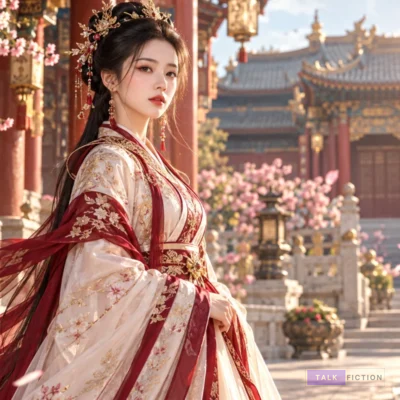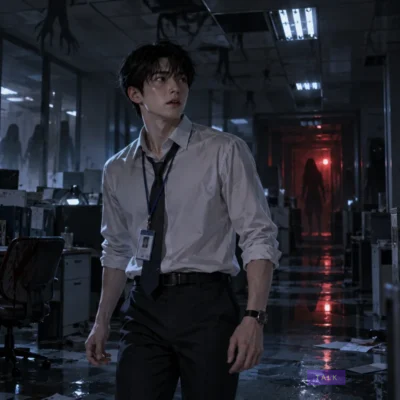

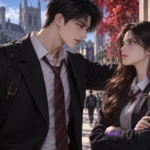
The Sword Deity in Tokyo is an urban fantasy web novel that blends modern-day Tokyo with cultivation-style power systems and mythic swordsmanship. The story stands out for its contrast between a contemporary setting and an ancient, almost godlike martial legacy. Rather than focusing solely on spectacle, the novel explores restraint, identity, and the psychological cost of overwhelming power in a modern world that cannot fully comprehend it.
Story Overview and Narrative Direction
The story follows a legendary sword cultivator who has reached a near-mythical level of mastery, earning the title of Sword Deity. After countless battles and a lifetime defined by the blade, he finds himself in modern Tokyo, a city governed by technology, laws, and fragile social order rather than raw strength. Instead of seeking dominance, the protagonist chooses restraint, attempting to exist quietly while observing a world that has evolved beyond the era of cultivators. This narrative choice creates a slow-burning tension, as the contrast between his ancient instincts and modern society drives much of the plot forward.
The Sword Deity’s Power and Limitations
The Sword Deity’s strength is portrayed as absolute when compared to ordinary humans and even other supernatural entities. His mastery of the sword transcends physical technique, functioning as an extension of his will and spirit. However, the novel deliberately avoids turning him into a mindless force of destruction. His true limitation is not power, but restraint. Every time he draws his sword, it risks destabilizing the fragile balance of the modern world, attracting unwanted attention and consequences. This internal conflict gives depth to his abilities, framing power as a burden rather than a privilege.
Tokyo as a Modern Fantasy Setting
Tokyo plays a crucial role in shaping the novel’s tone and themes. Unlike traditional cultivation worlds filled with sects and open conflict, Tokyo represents structure, surveillance, and consequence. The city forces the Sword Deity to adapt rather than dominate, highlighting how ancient power struggles to coexist with modern systems. The urban environment amplifies the sense of isolation experienced by the protagonist, as his abilities have no natural place in a society built on rules instead of strength.
Key Themes of Restraint and Identity
One of the central themes of the novel is restraint. The Sword Deity’s journey is not about becoming stronger, but about learning when not to act. His identity is constantly challenged as he questions whether he is still a warrior, a god, or simply a man out of time. The novel repeatedly suggests that true mastery is not measured by how easily one can destroy, but by the ability to choose peace despite possessing the means for devastation.
The Cost of Absolute Power
Another major theme explored in the story is the emotional and psychological cost of absolute power. The Sword Deity has outlived rivals, eras, and belief systems, leaving him disconnected from ordinary human life. His calm demeanor masks deep loneliness and detachment, reinforcing the idea that power without connection leads to emptiness. This perspective sets the novel apart from typical power-fantasy narratives and gives it a more reflective, mature tone.
Conflict Beneath the Surface
Although the story emphasizes calm and restraint, conflict is always present beneath the surface. Supernatural threats, hidden organizations, and individuals drawn to the Sword Deity’s presence gradually emerge. These elements ensure that the narrative never becomes stagnant, while still maintaining its introspective pace. Each confrontation serves a thematic purpose, reinforcing the consequences of revealing power in a world unprepared to face it.
Conclusion
In conclusion, The Sword Deity in Tokyo is not merely a story about overwhelming strength, but a thoughtful exploration of power, restraint, and belonging in a modern world. Through its quiet narrative, layered themes, and carefully controlled conflicts, the novel challenges traditional fantasy tropes and presents power as a responsibility rather than a reward. The Sword Deity’s struggle to coexist with modern society gives the story emotional depth, making it a compelling read for those who enjoy character-driven fantasy grounded in philosophical reflection.

Other Articles

Two Babies One Fox: Story Overview, Themes, and Key Details
The Plane Romance: Story Overview, Themes & Key Highlights