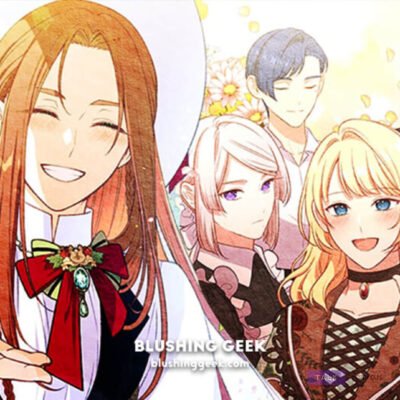





Don’t Call Me Stepmom is a popular fantasy romance manhwa that blends reincarnation storytelling with political intrigue, emotional character development, and complex family dynamics. The story follows a modern woman who unexpectedly finds herself reborn into the body of a villainous stepmother in a fictional aristocratic world. Rather than repeating the cruel actions associated with the character she inhabits, she attempts to change the narrative and build genuine relationships with those around her. As the plot unfolds, themes of redemption, maternal love, and personal transformation become central to the story’s appeal.
Overview of the Story and Its Premise
The narrative begins when the protagonist suddenly awakens in the body of a noblewoman who is widely feared and disliked for her cold personality. In the original storyline of this fictional world, the stepmother figure is known for mistreating her stepchild and ultimately facing a tragic downfall. Realizing the fate that awaits the character she has become, the protagonist decides to alter the future by treating the child with kindness and avoiding the mistakes that led to the original character’s ruin.
However, changing destiny proves far more complicated than expected. The aristocratic society surrounding her is filled with political rivalries, rigid social expectations, and hidden motives. While she works to gain the trust of her stepdaughter and household staff, she must also navigate suspicion from nobles who remember the stepmother’s previous reputation. This conflict between past identity and present intentions forms the emotional core of the story.
The Protagonist and Her Transformation
At the center of the narrative is the protagonist, who carries modern perspectives into a rigid historical-style world. Her knowledge of the original story allows her to anticipate future dangers, but it also creates tension because any change she makes could alter unpredictable events. Instead of embracing the power that comes with her noble status, she focuses on building a safer and more supportive environment for her stepdaughter.
Her transformation is gradual and believable. Rather than instantly becoming a perfect parent figure, she struggles with fear, responsibility, and the pressure of living someone else’s life. These moments of uncertainty add emotional realism and allow readers to see how compassion and patience slowly reshape her reputation.
The Stepdaughter and the Emotional Core of the Story
The young stepdaughter plays a crucial role in the narrative and represents the emotional heart of the story. In the original timeline of the fictional world, she grows up isolated and distrustful due to mistreatment from her stepmother. When the protagonist begins treating her differently, the child initially responds with confusion and caution.
Over time, however, their relationship evolves into one of trust and genuine affection. This gradual bond highlights one of the central themes of the manhwa: the power of kindness to change even deeply rooted expectations. Their interactions are often quiet and emotionally resonant, contrasting with the political tension unfolding in the background.
Supporting Characters and Their Roles
The story also introduces several supporting characters who influence the protagonist’s journey. Among them are members of the noble household, loyal servants, and influential figures within the kingdom’s aristocracy. Each character brings a unique perspective on the stepmother’s sudden behavioral change.
Some characters remain skeptical, believing her kindness to be a calculated act, while others slowly recognize that something fundamental has changed. These differing reactions create layers of tension that drive the narrative forward and deepen the world-building of the series.
Key Plot Developments and Conflicts
As the story progresses, the protagonist’s efforts to rewrite the original narrative lead to unexpected consequences. Certain events that were supposed to unfold in predictable ways begin to change, introducing new dangers that she could not foresee. Political intrigue within noble families, shifting alliances, and hidden agendas gradually complicate her attempts to maintain a peaceful life.
These developments reinforce a central theme of the story: even with knowledge of the future, altering destiny is never simple. Every choice the protagonist makes affects the world around her, sometimes improving relationships and sometimes creating entirely new challenges.
Themes Explored Throughout the Series
“Don’t Call Me Stepmom” explores several themes that resonate strongly with readers. Redemption is one of the most significant, as the protagonist attempts to repair a reputation built on cruelty and replace it with genuine compassion. The story also examines motherhood and family bonds, showing how emotional connection can develop even between individuals who were never meant to trust one another.
Another recurring theme is identity. Because the protagonist occupies the body of someone with a dark reputation, she constantly struggles to prove that she is not the same person everyone believes her to be. This tension between perception and reality shapes many of the story’s most meaningful moments.
Why the Manhwa Has Gained Popularity
The series has attracted a large audience partly because it blends familiar fantasy tropes with emotionally grounded storytelling. Reincarnation and villainess narratives are common in modern webtoons and manhwa, but “Don’t Call Me Stepmom” distinguishes itself by focusing heavily on family relationships rather than romance alone.
Readers are drawn to the gentle pacing of the character development and the realistic portrayal of trust being built slowly over time. The balance between emotional storytelling and broader political drama helps the series maintain tension while remaining character-driven.
Conclusion
In conclusion, Don’t Call Me Stepmom stands out as a thoughtful fantasy manhwa that explores redemption, family, and the possibility of rewriting one’s fate. Through the protagonist’s efforts to change a predetermined narrative, the story highlights how compassion and persistence can reshape relationships and challenge long-held assumptions. The evolving bond between the stepmother and her stepdaughter, combined with the political intrigue of the aristocratic world, creates a narrative that is both emotionally engaging and thematically meaningful.