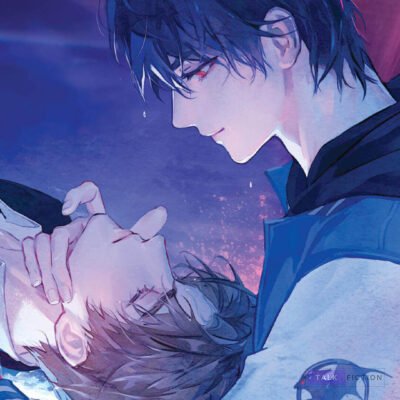




The Tang Clan Chronicles is a layered fantasy narrative that blends martial tradition, political tension, loyalty, and generational conflict into a sweeping saga centered around a powerful clan. The story explores not only physical battles and strategic rivalries but also emotional bonds, betrayals, and the moral weight of leadership. Through its intricate storytelling and character development, the series presents a world where honor and ambition constantly collide.
Story Overview: A Clan Caught Between Tradition and Survival
At its core, The Tang Clan Chronicles follows the rise, fall, and transformation of the Tang Clan, an influential family known for its martial prowess and deep-rooted traditions. The clan stands as both protector and power broker within its region, maintaining authority through discipline and inherited skill. However, as external enemies begin to threaten their dominance and internal fractures emerge, the once-unified family finds itself facing existential challenges.
The narrative unfolds across multiple arcs, beginning with a period of relative stability before escalating into conflict driven by rival clans, political manipulation, and shifting alliances. The tension increases when a younger generation questions the rigid codes that have governed the clan for centuries. This generational clash becomes one of the story’s primary drivers, pushing characters to reconsider what loyalty and honor truly mean in a changing world.
Central Characters and Their Development
The protagonist of the series is often portrayed as a conflicted heir or rising warrior within the Tang Clan, tasked with balancing personal identity against inherited expectations. His journey typically begins with ambition and uncertainty but evolves into a deeper understanding of sacrifice and responsibility. Throughout the series, he grapples with the burden of legacy, especially when forced to choose between protecting the clan’s reputation and safeguarding the lives of those he loves.
The clan leader, usually a seasoned and disciplined figure, represents tradition and unwavering adherence to ancestral codes. His leadership style reflects stability but also rigidity, which creates tension with younger members. This dynamic between old and new leadership styles adds emotional complexity to the storyline.
Supporting characters include loyal allies who embody different facets of the clan’s philosophy, as well as rivals who challenge the Tang Clan’s authority. Some antagonists are driven by revenge or ambition, while others represent broader systemic threats. The nuanced portrayal of both allies and enemies ensures that conflict in the series rarely feels one-dimensional.
Power Structure and Martial Philosophy
A defining element of The Tang Clan Chronicles is its exploration of martial philosophy and hierarchical structure. Power within the clan is not merely physical strength but also strategic intelligence and emotional discipline. Training sequences and combat encounters often carry symbolic weight, reflecting inner struggles as much as external threats.
The clan’s techniques and traditions are tied to history, reinforcing the idea that power is inherited but must be earned. As characters progress, they learn that mastery involves more than technique; it requires confronting personal fears and moral dilemmas.
Hidden Themes Beneath the Surface
Beneath its action-driven plot, the series examines deeper themes of identity, loyalty, and transformation. One hidden theme centers on the cost of tradition. While heritage provides stability and strength, it can also create resistance to necessary change. The story repeatedly asks whether preserving the past is worth sacrificing the future.
Another key theme involves family bonds. Blood ties are portrayed as both protective and restrictive. Characters struggle with whether loyalty to family should outweigh personal conviction, particularly when the clan’s decisions conflict with individual morality.
The theme of power and consequence is also central. Characters who seek dominance often discover that leadership brings isolation and emotional burden. The narrative suggests that true strength lies not in control but in understanding responsibility.
Political Intrigue and Strategic Conflict
Political tension plays a significant role in shaping the plot. Rival clans, shifting alliances, and hidden conspiracies create a web of uncertainty that forces the Tang Clan to constantly adapt. Strategy becomes as important as combat skill, and victories often come at a cost. The balance between open warfare and calculated diplomacy adds depth to the narrative, making it more than a straightforward martial epic.
Emotional Resonance and Character Sacrifice
The emotional weight of The Tang Clan Chronicles is amplified through moments of sacrifice and loss. Characters are frequently forced to make painful decisions that redefine their relationships and priorities. These turning points strengthen the thematic core of the series, emphasizing growth through adversity rather than simple triumph.
Conclusion
In conclusion, The Tang Clan Chronicles offers more than a tale of martial rivalry; it presents a layered exploration of tradition, identity, and responsibility. Through its evolving characters, generational conflicts, and political complexities, the series challenges readers to reconsider what it truly means to protect one’s legacy. The hidden themes of loyalty, change, and sacrifice elevate the story beyond action-driven fantasy, making it a reflective narrative about the enduring tension between honoring the past and shaping the future.