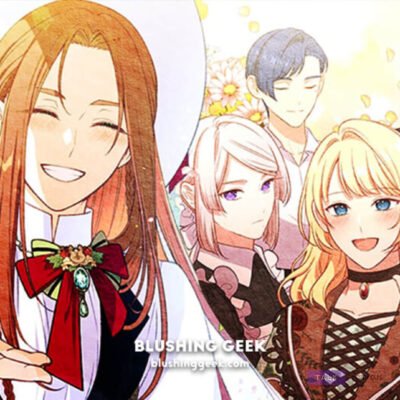





Legendary Hero Is an Academy Honors Student is a fantasy academy novel that blends hidden-identity storytelling with character-driven growth and strategic worldbuilding. At its core, the story follows a legendary hero who has already reached the peak of power yet chooses to return to an academy setting under a false identity. Rather than focusing purely on action, the novel emphasizes restraint, intelligence, and long-term consequences, offering a fresh take on the overpowered protagonist trope.
The Core Premise of the Novel
The story begins after the hero’s legendary achievements are already complete, reversing the traditional progression found in many fantasy novels. Instead of striving to become strong, the protagonist is already unmatched and seeks something far more difficult: a normal, controlled life. Enrolling in a prestigious academy as an honors student allows him to observe the world quietly while avoiding the political and military forces that once depended on him. This premise establishes a constant tension between his overwhelming strength and his desire for anonymity.
The Protagonist’s Hidden Identity and Motivation
The protagonist’s decision to hide his true identity is driven by exhaustion rather than fear. Having experienced war, sacrifice, and leadership at the highest level, he understands the cost of being a symbol. His role as an honors student is not an act of arrogance but a calculated choice to stay close to future power structures without directly controlling them. This internal conflict between responsibility and freedom shapes much of the narrative and adds emotional depth to an otherwise invincible character.
Academy Life and Strategic Restraint
Academy life plays a central role in the novel, but it is portrayed differently from standard power-growth stories. The protagonist deliberately limits his abilities, excelling academically while carefully managing his combat performance. His honors status is achieved through discipline, knowledge, and subtle influence rather than raw strength. This creates compelling scenarios where instructors and students sense something unusual about him without being able to prove it, maintaining suspense throughout the story.
Supporting Characters and Social Dynamics
The supporting cast is essential to the novel’s strength. Fellow students, instructors, and nobles each represent different perspectives on power, merit, and ambition. Some characters admire the protagonist’s calm intelligence, while others view him as a threat to established hierarchies. These interactions highlight how true power is often recognized subconsciously, even when it is deliberately concealed. Relationships are built slowly, emphasizing trust and observation rather than immediate loyalty.
Worldbuilding and Power Structure
The world of the novel is structured around academies, factions, and historical heroes, making the protagonist’s presence particularly dangerous if discovered. Power systems are clearly defined, which allows the author to show just how far beyond the norm the hero truly is. Unlike many fantasy stories, power here carries political weight, and even small displays of ability can destabilize alliances. This reinforces why the protagonist must act with precision rather than dominance.
Themes of Responsibility, Identity, and Control
A major theme of Legendary Hero Is an Academy Honors Student is the idea that true strength lies in control rather than destruction. The novel consistently contrasts impulsive talent with disciplined mastery. Identity is treated as both a burden and a shield, raising questions about whether a hero can ever truly escape the consequences of past actions. These themes elevate the story beyond simple wish-fulfillment and give it lasting narrative weight.
Conclusion
In conclusion, Legendary Hero Is an Academy Honors Student offers a thoughtful and strategic take on the fantasy academy genre by focusing on restraint, intelligence, and emotional maturity rather than constant escalation. The novel’s emphasis on hidden identity, controlled power, and long-term responsibility creates a layered narrative that appeals to readers who enjoy calm, calculated protagonists and structured worldbuilding. By placing a completed hero back at the beginning of society’s power pipeline, the story explores what it truly means to live after becoming a legend.

Other Articles

The Path of Deception: Complete Novel Story & Analysis
Dogs Deed Novel: Story Overview, Themes & Reading Guide