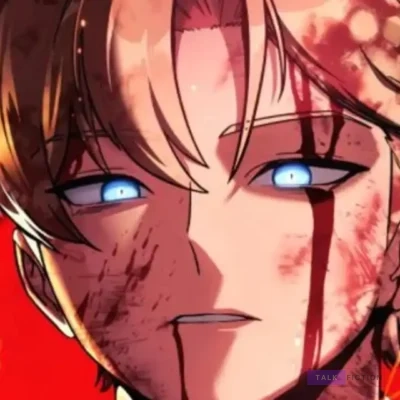





I Saved You But I’m Not Responsible is a psychologically driven fantasy novel that challenges traditional ideas of heroism, responsibility, and moral obligation. Rather than presenting a savior who embraces duty and sacrifice, the story focuses on a protagonist who intervenes in another’s fate but firmly rejects any further responsibility. This premise creates a morally complex narrative that blends emotional tension, character introspection, and slow-burning conflict.
Story Overview and Core Premise
The novel begins with a life-altering act of rescue that permanently connects the protagonist and the saved individual. However, unlike conventional rescue narratives, the protagonist makes it clear that their involvement ends with survival alone. This deliberate emotional distance becomes the backbone of the story, as the rescued character struggles to reconcile gratitude with abandonment. The plot progresses through their intersecting lives, showing how a single act of kindness without commitment can still reshape destinies in irreversible ways.
The Protagonist’s Perspective on Responsibility
A defining element of the novel is the protagonist’s philosophy regarding responsibility. Having experienced loss, betrayal, or emotional exhaustion in the past, the protagonist believes that saving someone does not automatically create lifelong obligation. This belief is not portrayed as cruelty but as self-preservation. Through internal monologues and reflective scenes, the novel explores how emotional boundaries can be both protective and destructive, especially when power or ability is involved.
The Rescued Character’s Emotional Journey
While the protagonist maintains distance, the rescued character undergoes a powerful emotional transformation. Initially driven by gratitude and reliance, they slowly confront feelings of rejection, confusion, and self-determination. The novel carefully illustrates how being saved without guidance can be as destabilizing as being abandoned outright. This character arc emphasizes personal growth, resilience, and the painful process of forging identity without depending on a savior figure.
Themes of Moral Ambiguity and Choice
One of the novel’s strongest themes is moral ambiguity. The story avoids labeling the protagonist as either right or wrong, instead presenting responsibility as a choice rather than an obligation. It questions whether kindness loses its value when detached from accountability and whether refusing responsibility is inherently selfish. These unanswered questions encourage readers to reflect on their own definitions of morality, heroism, and emotional duty.
Power, Detachment, and Consequences
The novel also examines the imbalance created when one character holds power over another’s survival. Even though the protagonist claims no responsibility, their actions continue to influence the world around them. This contradiction highlights a central tension of the story: power cannot exist without consequences, even when responsibility is denied. The narrative repeatedly shows how emotional detachment does not erase impact, reinforcing the idea that actions carry weight regardless of intent.
Narrative Tone and Storytelling Style
The storytelling style of I Saved You But I’m Not Responsible is slow, introspective, and character-focused. Rather than relying on constant action, the novel prioritizes emotional realism and psychological depth. Dialogue is restrained, internal conflict is emphasized, and moments of silence often carry more meaning than dramatic confrontations. This approach appeals strongly to readers who enjoy morally complex narratives and character-driven fantasy.
Conclusion
In conclusion, I Saved You But I’m Not Responsible stands out as a thought-provoking novel that subverts traditional savior narratives. Through its emotionally distant protagonist and evolving secondary characters, the story explores responsibility as a personal boundary rather than a moral absolute. Its themes of choice, consequence, and emotional autonomy give the novel lasting impact, making it a compelling read for those drawn to darker, introspective fantasy stories that challenge conventional notions of heroism.

Other Articles