


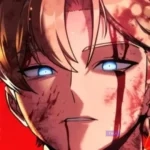

Little Mushroom is a critically acclaimed Chinese science fiction novel known for its emotional depth, philosophical themes, and understated storytelling. Set in a bleak post-apocalyptic world, the novel blends dystopian survival with quiet introspection, offering readers a story that focuses less on grand heroics and more on identity, morality, and what it means to be human.
Story Overview of Little Mushroom
The story follows An Zhe, a sentient mushroom who takes human form in a world devastated by environmental collapse and genetic corruption. Humanity survives behind strict borders, governed by powerful institutions that eliminate anything deemed non-human or dangerous. An Zhe enters human society with a simple goal: to retrieve his lost spore. However, this journey forces him to navigate a harsh world where survival depends on deception, obedience, and emotional restraint. His innocent perspective contrasts sharply with the cruelty and fear-driven systems around him, creating a narrative that is both gentle and unsettling.
A World Defined by Ruin and Control
Little Mushroom’s setting is shaped by ecological disaster and biological mutation, where humans live in constant fear of contamination. Society is ruled by rigid laws enforced through violent means, and moral judgment is often replaced by survival logic. The novel does not overwhelm the reader with technical explanations but instead allows the environment to speak through quiet details, abandoned landscapes, and tense encounters. This restrained world-building enhances the emotional weight of the story and emphasizes how fragile humanity has become.
Exploration of Identity and Humanity
One of the novel’s most powerful themes is identity. An Zhe is not human, yet he displays empathy, loyalty, and moral clarity that many humans lack. His internal struggle revolves around understanding what he is allowed to be in a world that refuses to accept difference. The novel repeatedly questions whether humanity is defined by biology or by compassion, forcing readers to reconsider traditional definitions of personhood.
Themes of Love, Loss, and Moral Choice
Despite its bleak setting, Little Mushroom is deeply emotional. Love appears not as dramatic romance, but as quiet devotion, sacrifice, and trust. Loss is ever-present, from vanished ecosystems to broken human connections. Moral choice plays a central role, especially as characters must decide whether to follow cruel systems or protect what little goodness remains. These themes are explored subtly, without heavy exposition, making their impact feel organic and lasting.
Key Highlights That Define the Novel
One of the key highlights of Little Mushroom is its narrative restraint. The story avoids exaggerated drama, allowing silence and implication to carry emotional meaning. The relationship dynamics, particularly between An Zhe and the humans he encounters, are layered with tension and unspoken understanding. Another standout element is the novel’s tone, which balances despair with tenderness, creating a reading experience that feels intimate even within a ruined world.
Why Little Mushroom Stands Out in Sci-Fi Fiction
Unlike traditional science fiction focused on technology or action, Little Mushroom prioritizes emotional realism and philosophical reflection. Its strength lies in how it uses a non-human protagonist to examine human cruelty and kindness from an outside perspective. The novel’s pacing, prose style, and thematic focus make it especially appealing to readers who value character-driven storytelling over spectacle.
Conclusion
In conclusion, Little Mushroom is a quietly powerful novel that uses a post-apocalyptic setting to explore identity, morality, and emotional survival. Through An Zhe’s journey, the story reveals that humanity is not defined by form, but by the capacity for empathy and choice. Its subtle storytelling, meaningful themes, and haunting atmosphere make it a standout work in modern science fiction, leaving readers with lingering questions about what it truly means to live, belong, and care in a broken world.

Other Articles
Grand Ancestral Bloodlines: Story Overview, Themes & Highlights
Just Twilight Webnovel: Story Overview, Themes & Key Highlights