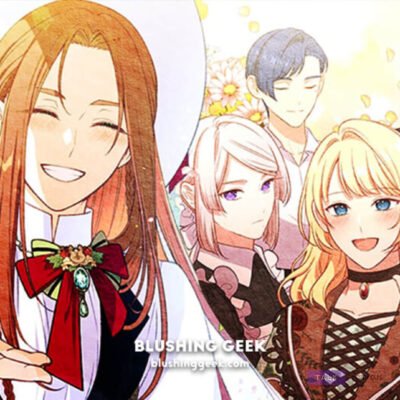





Rain of Snow is a fantasy novel that blends emotional storytelling with a richly atmospheric world shaped by cold climates, political tension, and personal sacrifice. Known for its slow-burn narrative and introspective tone, the novel explores how individuals endure loss, power struggles, and emotional isolation while searching for meaning and connection. Rather than relying solely on action, the story focuses on character depth and thematic complexity.
Story Overview of Rain of Snow
The story of Rain of Snow unfolds in a world where winter is more than a season—it is a force that shapes society, power, and survival. The narrative follows a central protagonist whose life is deeply affected by political instability and emotional trauma. As the plot progresses, readers are introduced to a setting marked by rigid hierarchies, fragile alliances, and unspoken grief. The protagonist’s journey is not defined by rapid victories but by gradual emotional growth, difficult choices, and the consequences of past decisions that continue to influence the present.
Throughout the novel, the pacing remains deliberate, allowing relationships and conflicts to develop organically. The external struggles of the world mirror the internal struggles of the characters, creating a layered narrative where emotional tension carries as much weight as political conflict. Snow and winter imagery are used consistently to reflect themes of isolation, restraint, and suppressed emotion.
Character Development and Emotional Depth
One of the strongest aspects of Rain of Snow is its focus on character-driven storytelling. The protagonist is portrayed as emotionally guarded, shaped by loss and responsibility rather than ambition. Supporting characters are not merely background figures but individuals with their own motivations, regrets, and hidden vulnerabilities. Relationships evolve slowly, often through shared silence, restrained dialogue, and moments of quiet understanding rather than dramatic confrontations.
This emphasis on emotional realism allows readers to connect deeply with the characters’ struggles. The novel avoids idealized portrayals of heroism, instead presenting flawed individuals who must navigate moral ambiguity and emotional pain. This grounded approach gives the story its emotional weight and lasting impact.
Themes of Isolation and Emotional Restraint
Isolation is one of the central themes of Rain of Snow. The constant presence of snow and cold symbolizes emotional distance, suppressed desires, and unspoken grief. Characters often struggle to express their true feelings, choosing silence or duty over vulnerability. This restraint creates tension not only between individuals but also within the characters themselves, highlighting the cost of emotional repression.
The novel suggests that isolation is not always imposed by the world but is often self-inflicted as a means of survival. By portraying isolation as both protective and damaging, the story explores its complexity rather than presenting it as purely negative.
Power, Duty, and Sacrifice
Another key theme in Rain of Snow is the burden of power and responsibility. Characters in positions of authority are shown grappling with the consequences of their decisions, often forced to choose between personal happiness and collective stability. Power is not romanticized; instead, it is depicted as a source of constant pressure and moral conflict.
Sacrifice plays a crucial role in the narrative, with characters repeatedly giving up comfort, love, or personal freedom in the name of duty. These sacrifices are not always rewarded, reinforcing the novel’s realistic portrayal of leadership and obligation.
Symbolism of Snow and Nature
Snow functions as a powerful symbol throughout the novel. It represents emotional numbness, the passage of time, and the inevitability of change. Just as snowfall can be both beautiful and destructive, the emotions and decisions within the story carry dual meanings. Nature is not merely a backdrop but an active presence that reflects the internal states of the characters and the broader condition of the world.
This symbolic use of nature adds depth to the narrative and strengthens the novel’s thematic cohesion.
Conclusion
In conclusion, Rain of Snow is a thoughtfully crafted fantasy novel that prioritizes emotional depth, atmosphere, and thematic exploration over fast-paced action. Through its careful storytelling, the novel examines isolation, power, sacrifice, and emotional restraint in a world shaped by cold and silence. Its character-driven approach and symbolic use of winter imagery make it a compelling read for those who appreciate introspective fantasy narratives with strong emotional resonance.

Other Articles

Helmut the Forsaken Child Spoilers: Full Story Explained
Fortune Telling Princess Spoilers: Full Story and Major Twists